“This isn’t a job scams issue. This is economic terrorism.”
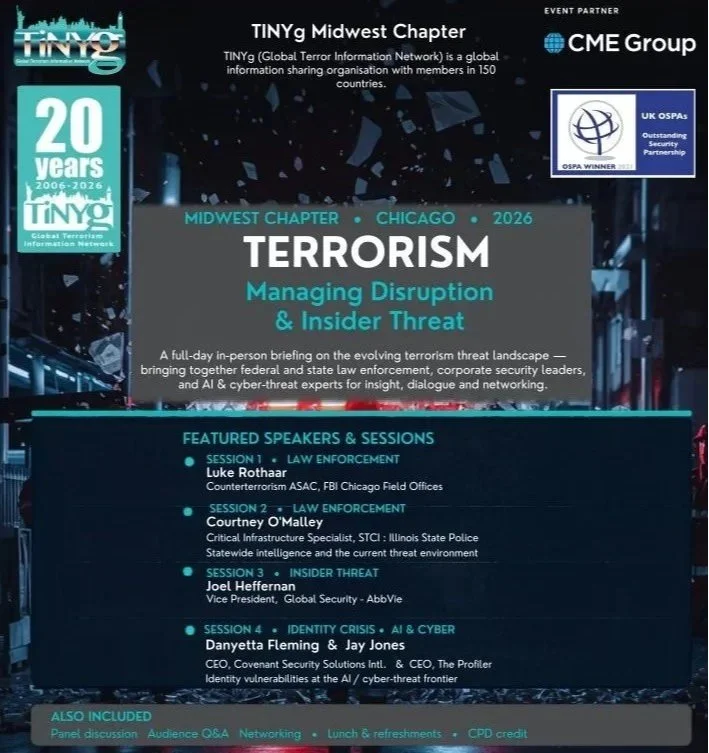
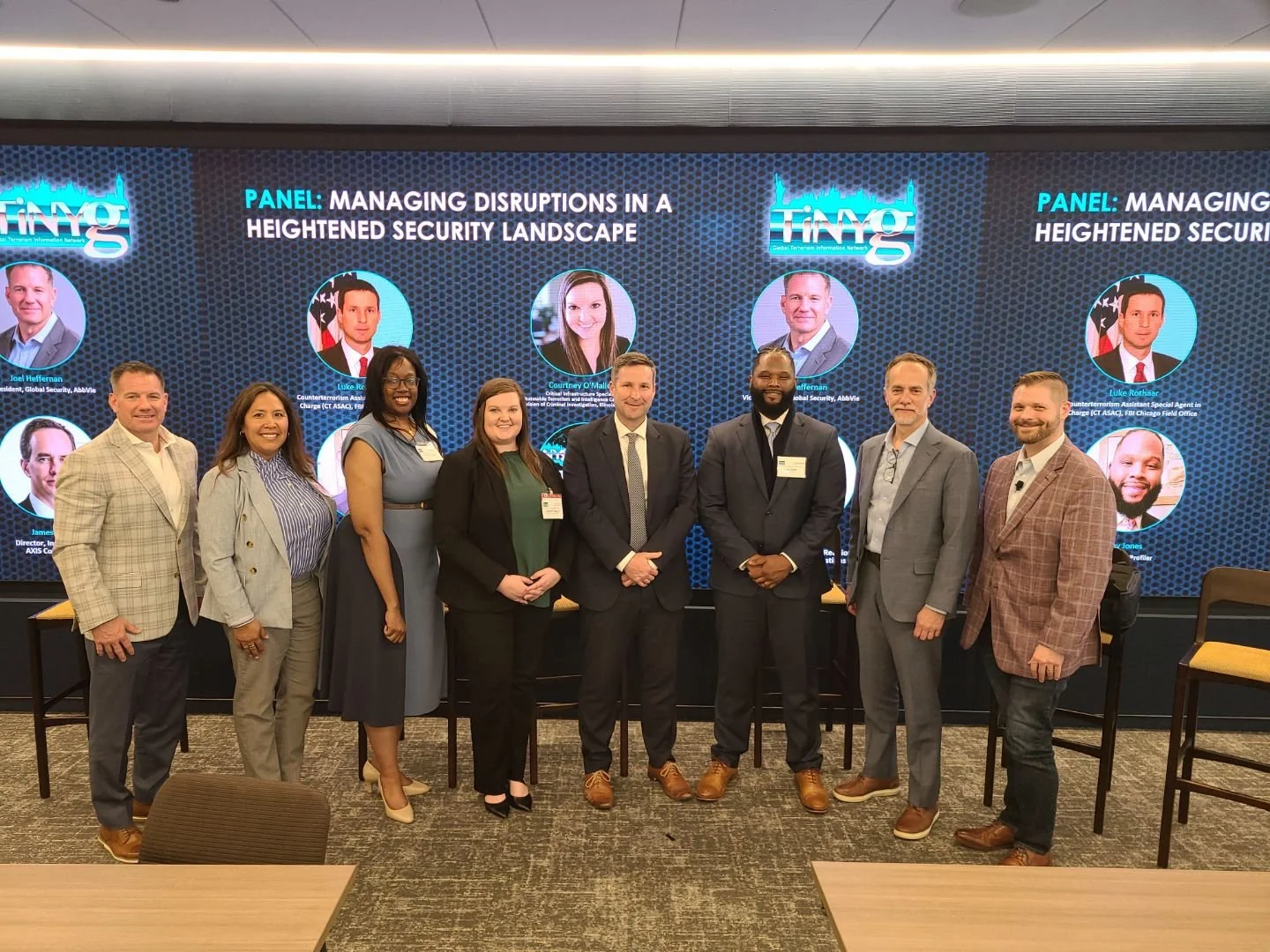
On May 13, 2026, I had the privilege of speaking before an audience of police leaders, FBI professionals, and cybersecurity executives about my work as The Profiler. The event featured four impactful sessions, each focused on the urgent realities shaping modern security, intelligence, and digital risk, and my session covered:
“Identity Crisis: AI, Cyber Threats and the New Insider Risk.”
My talk examined how artificial intelligence is accelerating identity-based threats, making deception more scalable, more convincing, and more difficult to detect. I addressed how cybercriminals, fraud actors, and hostile insiders are increasingly using AI-enabled tools to impersonate legitimate individuals, manipulate trust, and bypass traditional security controls. The discussion also highlighted how insider risk is evolving beyond the classic concept of a malicious employee to include compromised identities, credential abuse, behavioral mimicry, and the misuse of trusted access.
A central theme of the presentation was that identity itself has become the new attack surface. I explored how organizations can no longer rely solely on static credentials, surface-level verification, or legacy assumptions about who is “real.” Instead, the challenge now requires a more adaptive understanding of behavior, context, and intent across both digital and human systems. In that environment, the role of profiling, pattern recognition, and investigative judgment becomes even more critical.
What made the event especially meaningful was the caliber of the room. Speaking to police, FBI, and cybersecurity executives created a rare opportunity to connect frontline investigative insight with strategic organizational risk management. The conversation reflected a shared recognition that the threats facing institutions today are not only technical, but deeply human: trust manipulation, identity fraud, social engineering, and the exploitation of organizational blind spots.
Overall, the session reinforced the importance of blending cyber awareness with behavioral analysis to address the next generation of insider and identity threats. It was an honor to contribute to a room of practitioners and leaders committed to staying ahead of these evolving risks, and to share how The Profiler’s work helps illuminate the human patterns behind modern deception.
If your organization is looking for a speaker who can connect identity, deception, cyber risk, and investigative insight in a way that is practical, relevant, and memorable, I would be honored to be considered for future engagements.